
Many people who are curious about how to begin playing golf worry most about the cost of getting started, and wonder whether their budget can really handle it. In practice, though, golf is more affordable and more accessible today than it once was, when even the cheapest basic beginner’s set of clubs ran around $300.
This guide breaks down the real costs of taking up golf, from equipment and green fees to lessons, and points out practical ways to spend less at each stage. For a lot of readers, the takeaway is that golf is more within reach than they expected.
Key Takeaways
- Getting into golf will typically cost roughly $1,800–$3,300 in your first year, covering clubs, lessons, green fees, and the rest.
- Starter golf club sets cost around $300 for the basics, or can climb past $1,000 for high-end gear; used clubs from thrift shops or online marketplaces can cut those costs considerably.
- Private lessons usually run from $50 to $150 an hour, but group instruction is cheaper: beginner-friendly programs like the PGA’s “Get Golf Ready” offer five full lessons for around $99.
- Most public courses charge about $40–$50 per round; weekday and twilight tee times tend to be cheaper, which is an easy way to save.
- Smaller items such as balls ($40–$50 for 24), gloves ($20 each), and cart rentals add up quickly, so they are worth budgeting for from the start.
Initial Costs of Golf Equipment
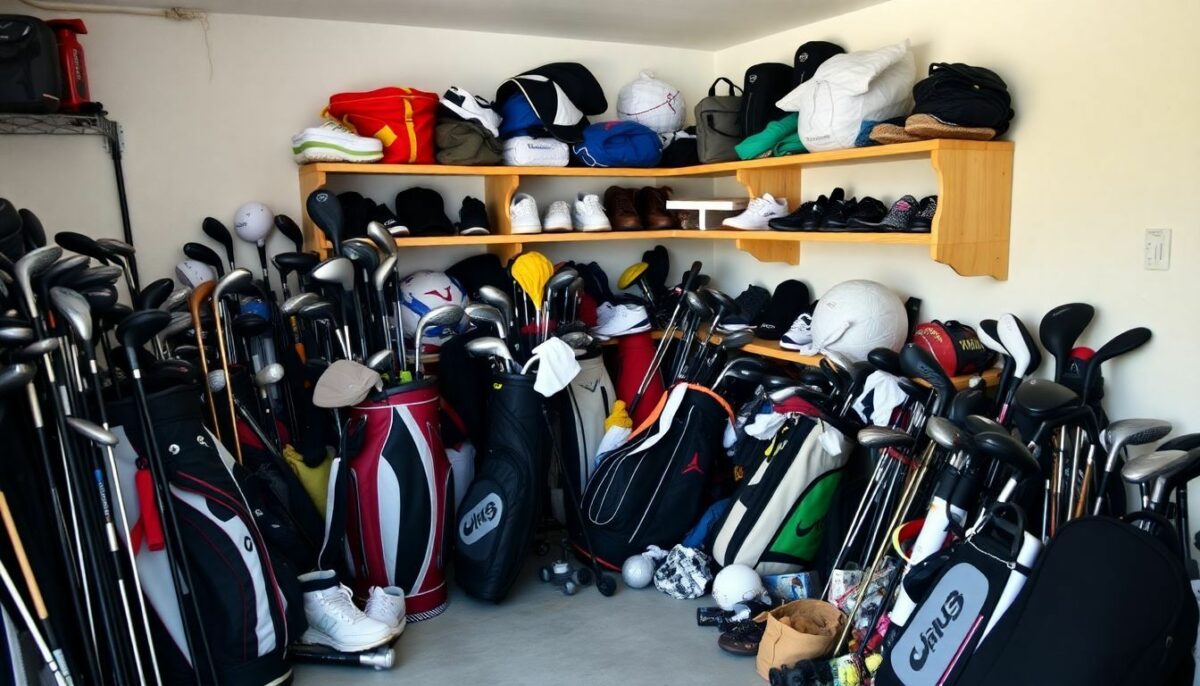
Getting started with golf means buying the right gear, and costs can add up fast. New players face choices about clubs, bags, shoes, and other items that range from budget-friendly to expensive.
Smart shoppers can find used golf clubs that perform well without the premium price tag. Golf equipment stores often offer starter packages that include everything a beginner needs to get out on the fairways.
Beginner Golf Club Sets
Starter golf club sets are a good way to get into golf without overspending. Basic sets usually cost about $300, though higher-end options can run past $1,000.
Local golf stores commonly stock decent adult sets for around $500, which gives you enough clubs to play a full round comfortably. Beginners often find good value going the used route, which is a sensible way to test the game before committing serious money.
The right beginner clubs won’t make you a pro overnight, but they’ll make the learning curve much less steep.
For younger players, established brands like Callaway deliver quality youth sets at roughly $249, while Wilson offers junior options around $129. Generic junior club sets can be found for as low as $72, which suits children who are still deciding whether the game is for them.
Beginner sets usually include the essentials, such as irons, a driver, and a putter, which is the right combination to build confidence from the driving range to the green.
Golf Bags and Accessories
After choosing clubs, you’ll need a sturdy golf bag to carry your gear around the course. A standard golf bag costs around $100 and holds your clubs, balls, tees, and other small items.
There are a few more accessories to account for as well. Most golfers pick up a simple towel for about $15 to wipe dirt and grass off their clubs after each swing. A golf glove, around $20, helps keep your grip steady and reduces the chance of blisters over a long round.
Each item is inexpensive on its own, but together they add up. Starting golf on public courses can quietly eat into your budget before you even hit your first shot.
Golf Shoes and Clothing
Golf isn’t just about clubs and bags; your shoes and clothing matter too. Good golf shoes keep you stable and balanced through your swing, and they come in a wide range of prices.
A simple FootJoy pair can cost as little as $35, while a more premium option might run around $70.
Clothing prices vary widely too, with most golfers spending anywhere from $100 to $500 on apparel. The right figure depends on personal taste, budget, and how much of a wardrobe you want. A budget-minded player might spend around $100 on clearance shoes and another $100 on clothing.
At the other end, a golfer focused on premium apparel could spend $500 on clothing and another $200 on top-tier shoes. It comes down to what fits your taste, feels comfortable, and suits your budget.
Cost of Golf Lessons
Golf lessons range from $50 to $150 per hour for private coaching, but group sessions can cut this cost in half. A beginner might need 5–10 lessons to grasp the basics, making this a significant part of the startup budget.
Many public courses offer package deals that combine green fees with instruction time, which saves money for new players.
Individual Lessons
Private lessons can improve your swing quickly, thanks to one-on-one coaching from an experienced instructor. Pro teachers typically charge about $50 to $100 an hour, depending on their background and where you live, with big-city instructors generally costing more than small-town ones.
For budget-minded players, the PGA offers a program called “Get Golf Ready”, which costs around $99 for five full lessons. That is good value, especially for someone just starting out.
A good instructor watches carefully and catches the small issues that creep into your swing. They’ll guide you through grip, stance, and swing technique step by step.
Having someone on hand to spot and correct problems speeds up improvement far more than learning on your own. Practice helps, but only when you’re practicing the right things.
Anyone who has struggled at the ball without guidance knows the value of an expert eye. Working alone can mean repeating the same mistakes without realizing why.
With affordable options like the PGA’s program available, easing into better play becomes much more manageable. Think of a lesson as a shortcut that saves you from figuring everything out by trial and error.
It’s less frustrating and saves a lot of time.
Group lessons also give you the chance to meet other golfers while you improve. Five classes are usually enough to see real progress without a large outlay. Experienced pros spot the moves that keep you slicing or hooking shots into trouble.
They’ll then show you, step by step, how to stop repeating those errors.
Group Lessons or Golf Academies
Group lessons can be an excellent, affordable way to start golfing. The First Tee, for example, offers seasonal programs for around $120, which is good value for newcomers stepping onto the course.
For children aged 5 through 13, academies like TGA Premier have introduced golfing basics to more than 650,000 children across roughly 3,300 schools nationwide. Junior camps, such as those at Santa Teresa Golf Club, run anywhere from $295 to $595.
Young golfers get hands-on practice on real putting greens and fairways in a relaxed, social setting. Along the way, they make new friends and build a genuine interest in the game.
Fees for Playing Golf
Golf course costs range from $15 at basic public courses to $200 or more at high-end resorts. Players can save money with twilight rates, walking instead of renting carts, and checking for online deals on green fees.
Green Fees at Public Courses
Public golf courses offer an affordable entry point for newcomers to the sport. The standard rate for an 18-hole round typically ranges from $40–$50, though prices vary by location, course quality, and time of year. Smart players take advantage of weekday tee times, which cost less than weekend slots when courses see higher demand.
| Fee Type | Typical Cost | Notes |
|---|---|---|
| Standard 18-Hole Round | $40-$50 | Prices vary by course quality and location |
| Weekday Rates | $30-$40 | Monday through Thursday offers better value |
| Weekend/Holiday Rates | $45-$60 | Premium pricing during peak demand times |
| Twilight Rates | $25-$35 | Late afternoon discounts (may not finish 18 holes) |
| Youth On Course Program | $60 annual fee + $5 per round | Exceptional value for junior golfers |
| 9-Hole Rates | $20-$30 | Half-round option for time-constrained players |
Membership Costs at Private Clubs
While public courses offer pay-as-you-play flexibility, private clubs require a more substantial financial commitment. These clubs offer pristine conditions and many perks, but at a price that gives some golfers pause. Private club costs vary widely based on location, amenities, and prestige.
| Membership Type | Typical Cost Range | What’s Included |
|---|---|---|
| Initiation Fee | $5,000 – $100,000+ | One-time payment to join the club |
| Full Membership (Annual) | $5,000 – $50,000+ | Complete access to all facilities |
| Monthly Dues | $300 – $1,000+ | Course maintenance, clubhouse access |
| Food & Beverage Minimum | $600 – $2,400 annually | Required spending at club dining facilities |
| Cart Fees | $20 – $100 per round or monthly plans | Golf cart usage |
| Sample Member Profile | A mid-range member might pay $500 monthly membership plus $100 monthly cart fees | Typical mid-range club costs |
Additional Expenses
Golf comes with costs beyond clubs and green fees. Players need to budget for golf balls, tees, and gloves that wear out with regular play. These small items add up fast, especially for beginners who may lose several balls per round.
Golf Balls, Tees, and Gloves
Players need to pick up a number of small items, and those costs add up quickly. Two dozen decent golf balls will usually cost around $40 to $50. Tees are easier on the wallet, and many courses provide some for free at the opening hole.
A comfortable golf glove, which usually costs about $20, is another regular purchase that gives you a better grip and feels more secure on your hand. Small items like these seem minor at first, but they become part of your ongoing expenses.
New golfers often overlook these necessary extras, and the total becomes clear quickly once the receipts add up.
Cart Rentals or Walking Fees
Golf carts make getting around easier, but that comfort has a price, often around $100 a month. Many players choose to walk instead and save a meaningful amount of money.
Buying a push cart for around $100 is far cheaper over time than paying ongoing rental fees. Walking the fairways also gives you fresh air and exercise, away from the traffic of the cart paths.
The point is to enjoy the game, and walking keeps golf enjoyable without draining your budget, especially at public courses.
Conclusion
Getting started in golf doesn’t have to empty your savings. Shop carefully and buying secondhand clubs can save a lot, especially at thrift stores or online marketplaces.
Public courses are your best option here; skip the premium clubs with hefty membership fees. Walking instead of renting a cart helps both your budget and your health.
Your first year of golf might cost between $1,800 and $3,300, depending on gear choices, rounds played, and how particular you are about your setup and style. Even with budget-friendly gear, some upfront spending is hard to avoid.
Golf offers plenty beyond the swing itself. It’s good exercise; walking 18 holes burns calories and helps keep stress in check. It’s also a relaxed way to meet new people and enjoy the social side of the game.
For many players, the friendships built on the course are worth the price on their own.
FAQs
1. What’s the minimum cost to start playing golf?
Around $500 to $800 will get you going. That covers a basic set of used clubs, a simple bag, some golf balls, tees, and a glove. Public courses charge the lowest green fees, which makes them ideal for your first rounds.
2. Do I need expensive golf shoes right away?
No. Premium golf shoes can wait until you’re sure the game is for you. Regular athletic shoes are perfectly fine when you’re starting out. Once you’re committed, then it makes sense to invest in specialized shoes.
3. How much should I budget for golf lessons?
Group sessions usually cost about $20–$50 each, while private lessons run around $50–$100 per hour. Most beginners get the hang of things after about 5–10 lessons, without overspending.
4. Are annual dues required to play golf?
No. At public courses, you simply pay green fees each round. Country club memberships can run anywhere from $1,500 to well above $5,000 per year, but municipal courses offer affordable options with no annual commitment.
5. What golf equipment can I skip buying at first?
You can skip fairway woods, gap wedges, and premium golf balls at the start. Stick to the basics: a driver, 7-iron, 9-iron, putter, and budget-friendly golf balls. That keeps your costs down while you decide whether golf is for you.